Legacy Arts Incubator
An earn-and-learn model connecting master artisans, apprentices and cultural tradecraft with pathways into micro-enterprise, workforce development and continuing mastery.
 Future Story Lab
Communities are not empty containers waiting to be filled. They already contain knowledge, relationships, skills, culture, work and wealth.
Explore the ideas ↓Future Story Lab works with people and communities to recognize what is already alive locally—and build from there.
Culture. Knowledge. Enterprise. Food. Craft. Relationships. Future Story Lab asks what happens when we stop treating these as background conditions and begin recognizing them as productive assets.
Ruth's work asks how the productive capacity already present in a place can be made visible, connected and given an economic container in which to grow.
 Read Ruth on Substack →
 Ideas Made Tangible
Over years of work, Ruth Glendinning has developed practical models for turning culture, knowledge, food, craft, home and human relationships into productive local economies.
Some are frameworks. Some are incubators. Some are economic ecosystems. Some become physical places.
Cultural knowledge becomes stronger when it can be taught, practiced, valued and carried forward.
An earn-and-learn model connecting master artisans, apprentices and cultural tradecraft with pathways into micro-enterprise, workforce development and continuing mastery.
A shared environment where making, learning, enterprise, commerce and community space reinforce one another.
Ethical harvesting and knowledge of wild plants brought into relationship with education, stewardship, food and local enterprise.
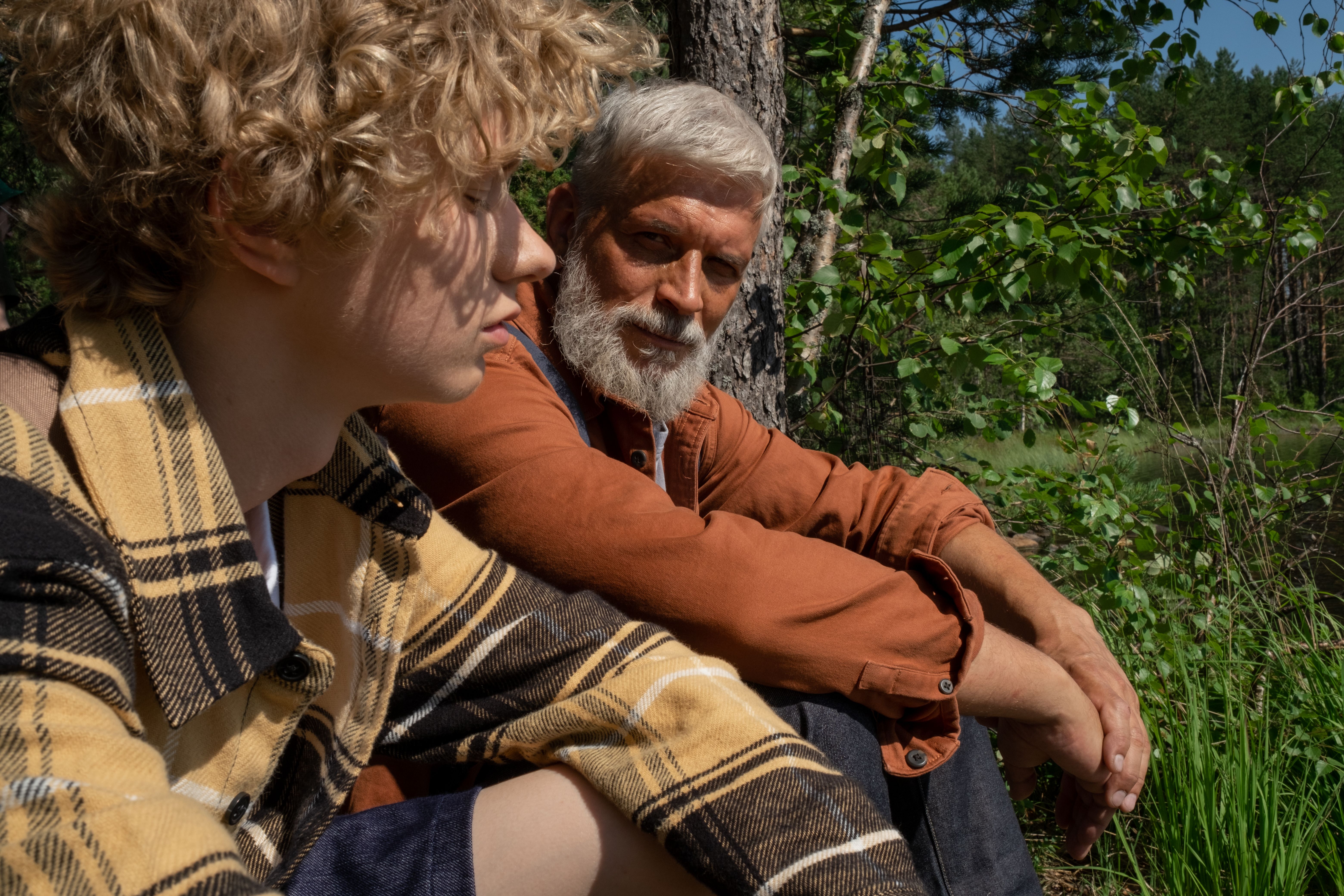
Knowledge moves through people. Apprenticeship allows experienced practitioners to transmit craft, context and judgment—not merely instructions.
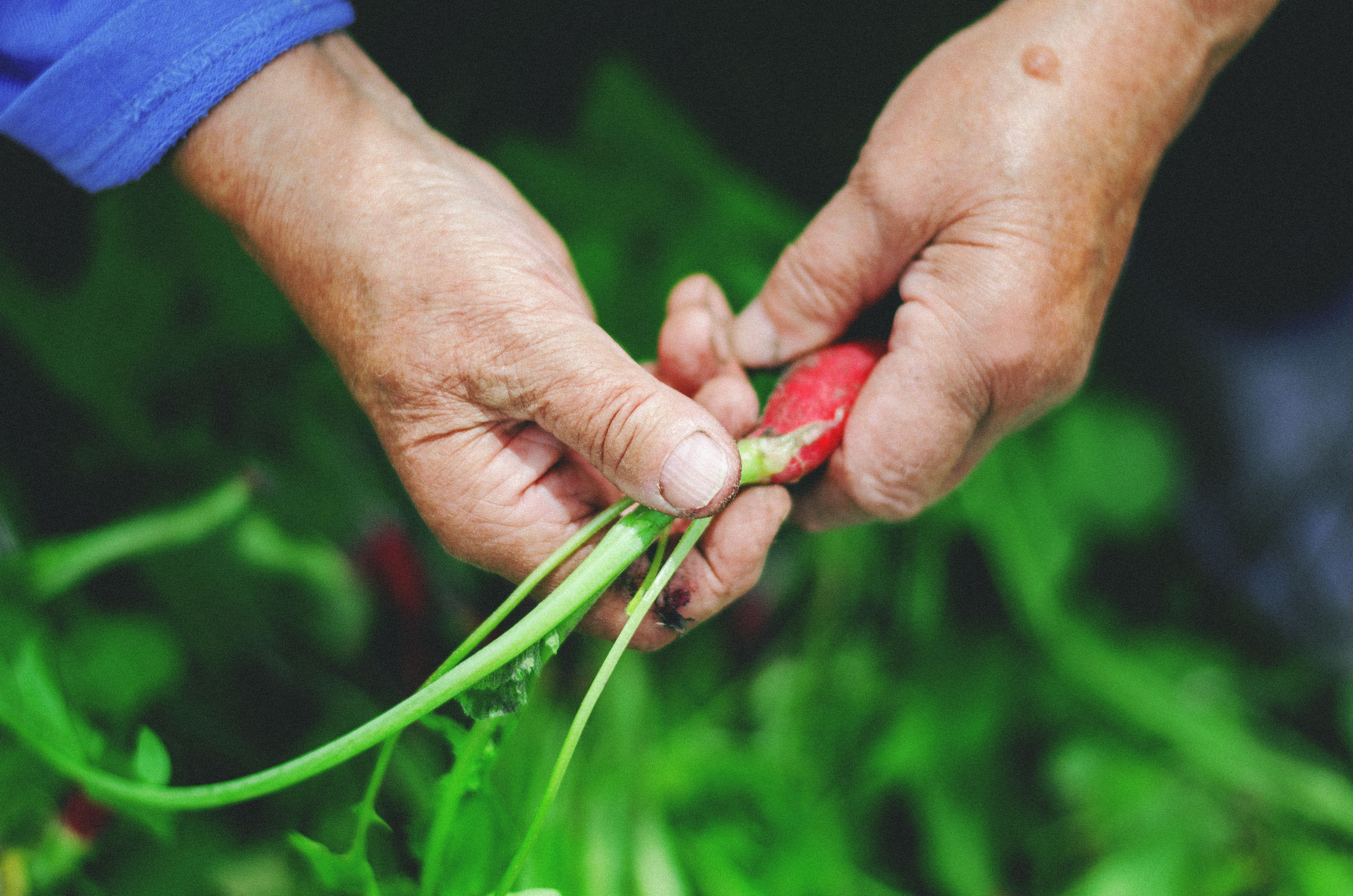
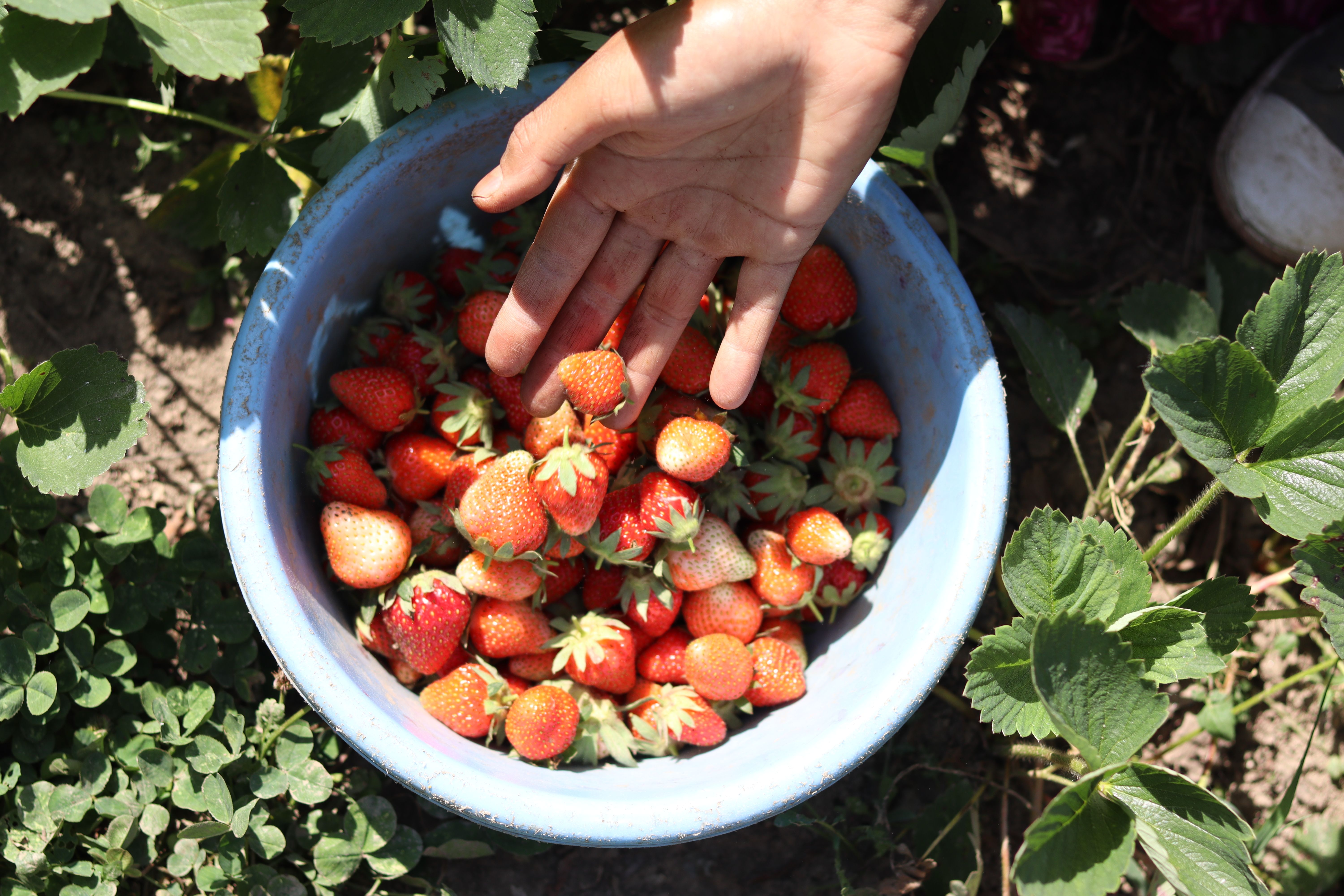
Food connects land, households, enterprise, health and everyday community life.
Householders, smallholders, micro-growers, specialty growers and producers connected into an ecosystem for shared economic benefit.
Local food production connected with nourishment, community well-being and the economic value of keeping food closer to the people who eat it.
Shared infrastructure for turning food knowledge into enterprise through production, commercial kitchen access, education and paths to market.
Markets, pickup points, delivery networks and digital coordination connecting local production with local demand.
People combine money with care, trust, knowledge, relationships and ingenuity every day to make life work.
A marketplace and economic framework recognizing the productive work of mothers, caregivers, makers and household-scale entrepreneurs.
Home as more than shelter: a foundation for safety, production, learning, enterprise, care and the launching of dreams.
A scalable local retail model supporting community-based shops in partnership with a virtual marketplace.
Investing in productive capacity in places and populations historically denied opportunity, with an emphasis on keeping wealth local and renewing stewardship.
Place, enterprise and technology become useful when they strengthen human productive capacity rather than becoming ends in themselves.
Sustainable, Local, Organic Work + Technology: an earn-and-learn model adding appropriate technology to no- and low-tech cultural businesses to create markets and improve opportunity.
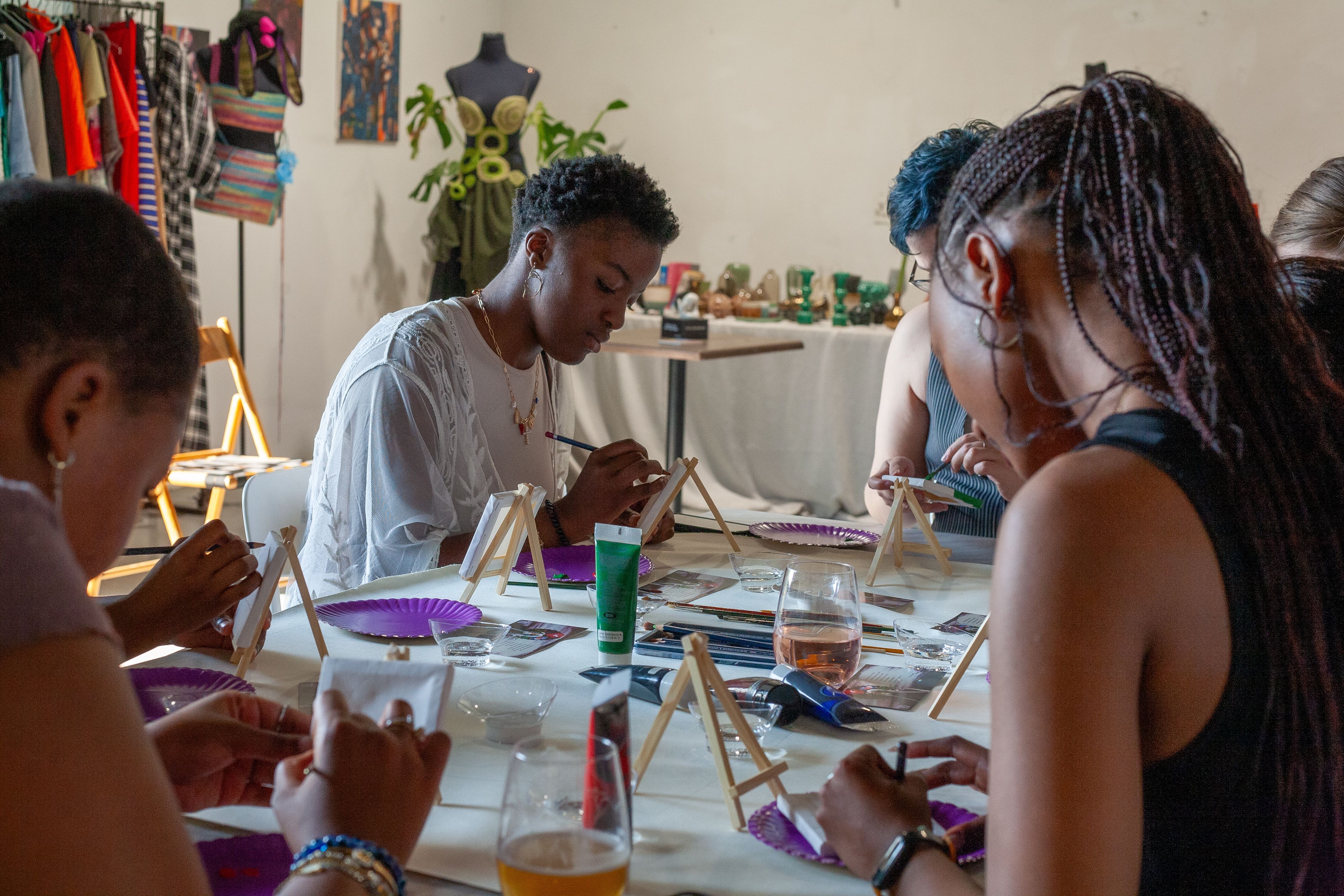
The practical art of business: startup and operations education, shared learning, meeting space, technology and support for emerging enterprise.

A community-building implementation bringing many of these ideas together: beginning with people, relationships and economic activity and developing from virtual community toward physical place.
Explore Bene Esse →
Digital infrastructure for community activation, marketplaces, communication and trusted coordination—the technology underneath the human system rather than the point of it.
Visit 214 Alpha →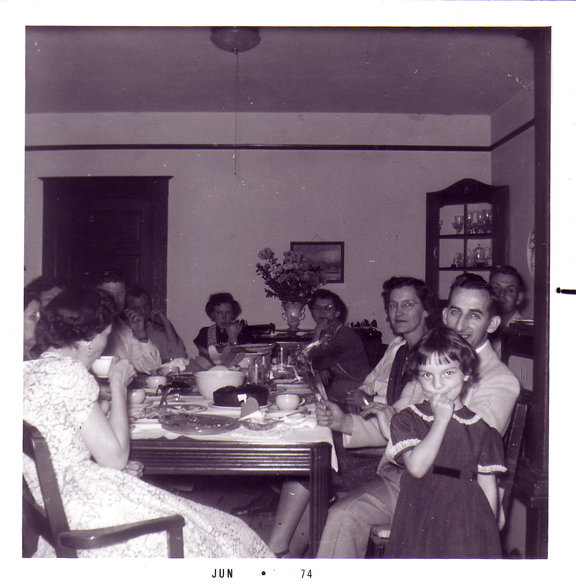
Much of what we now describe as community resilience was once ordinary life. People knew who could make something, mend something, grow something, teach something or help when things went wrong.
The economy wasn't somewhere else. A great deal of it happened between people who knew one another.
The point isn't nostalgia. It is architecture.
A household or community possesses resources long before somebody writes a check.
Healthy systems aren't assembled overnight. They emerge in stages, strengthening their foundations before carrying more weight.
Begin with people and economic activity. Strengthen relationships and foundations. Allow larger systems and physical infrastructure to follow actual community capacity.

The S.L.O.W. Tech Incubator adds appropriate technology to no- and low-tech culturally engaged businesses to create marketplaces and improve opportunities for success.
The machine belongs under the hood. The people remain visible.
Women are already teaching, cooking, caring, mending, organizing and creating—the work that holds households and communities together.
MotherFunder creates a trusted environment in which women, especially mothers and caregivers, can buy, sell, barter and collaborate within regenerative micro-economies.
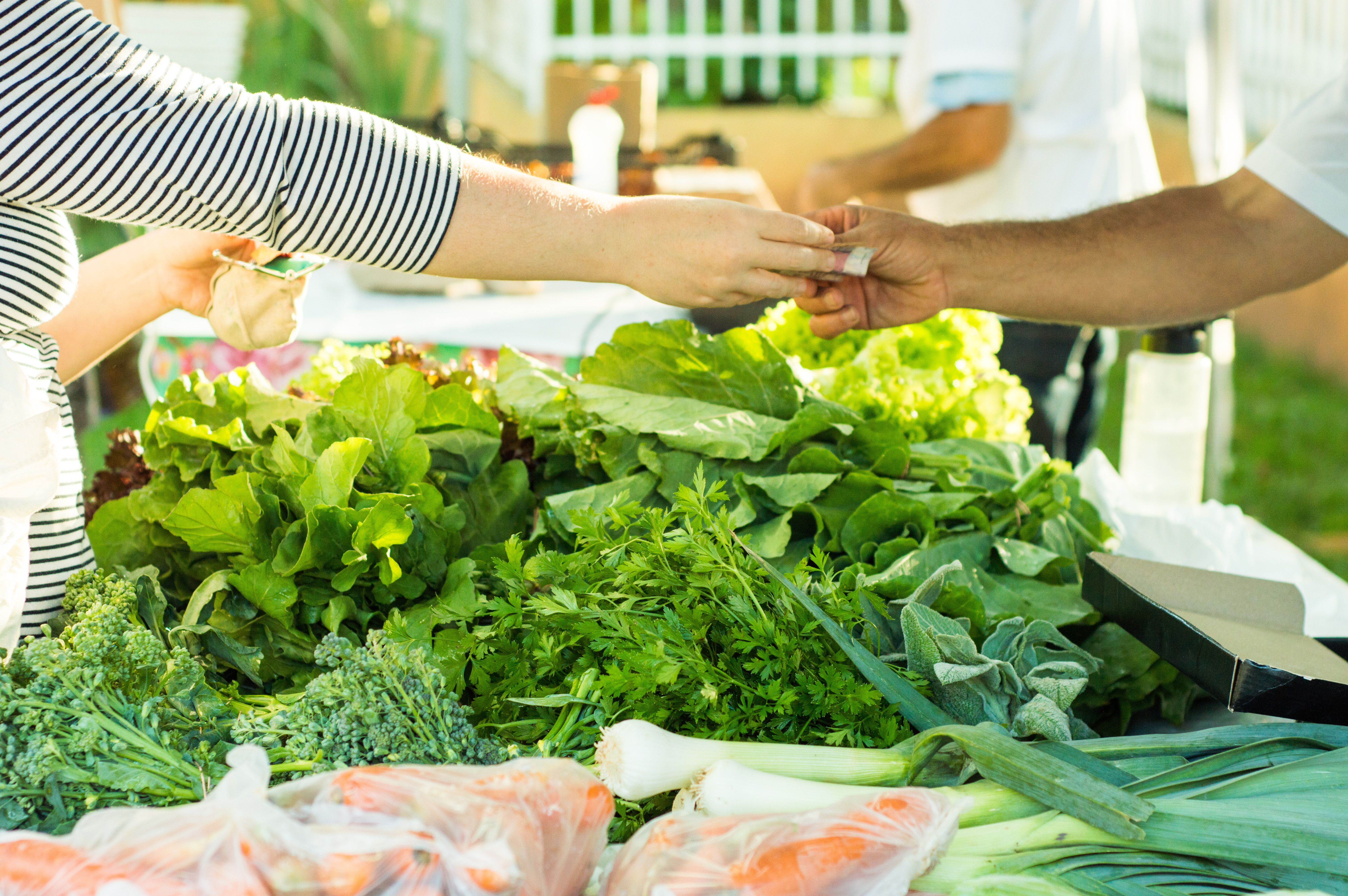
A healthy local economy creates more opportunities for people to earn from what they know, make, grow and do—and more opportunities to buy those things from one another.
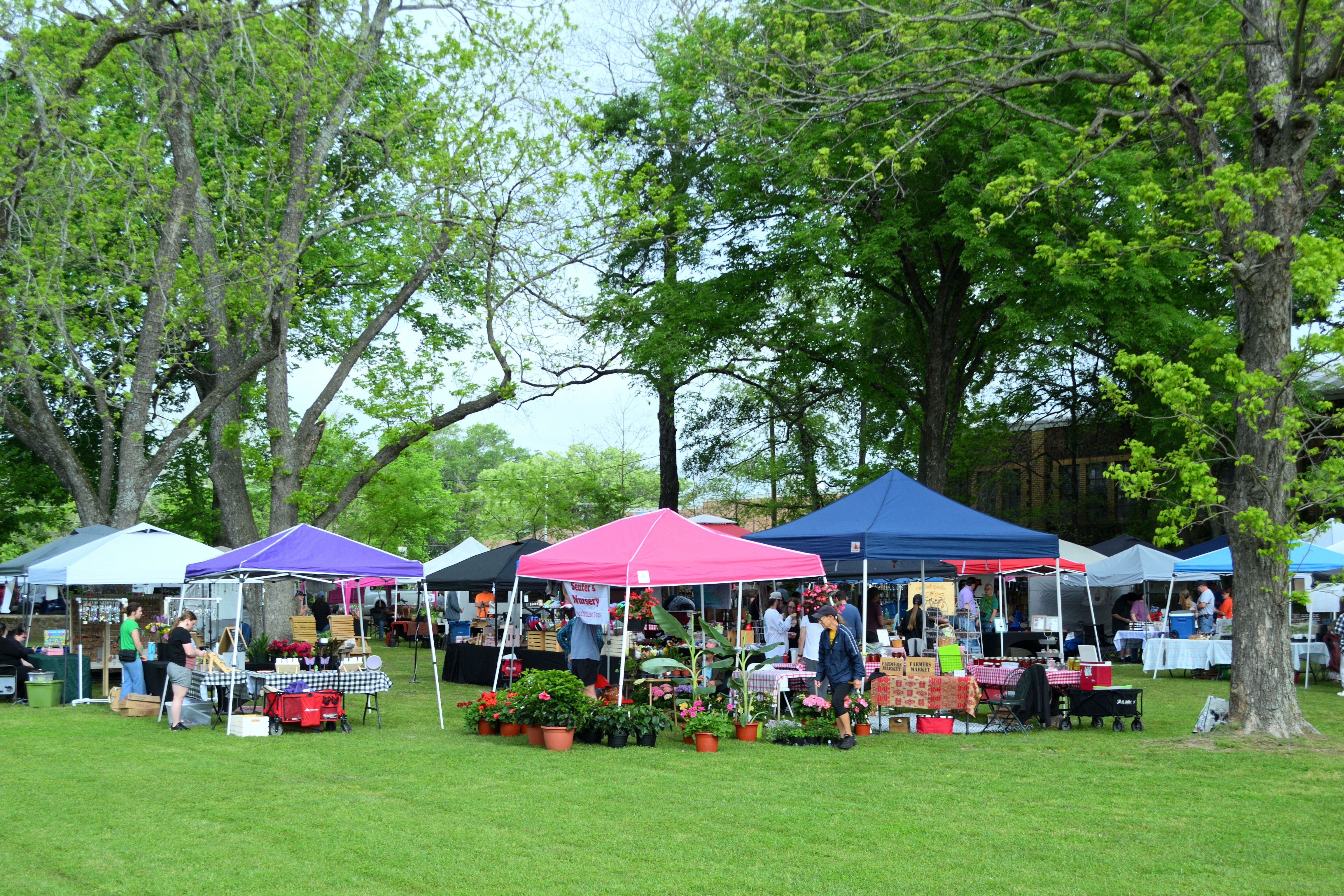
Cooperatives, neighborhood marketplaces and trusted local networks can turn isolated household activity into shared economic capacity.
S.L.O.W. Tech describes the relationship with technology. Commonweave is a community-facing implementation of the 214 Alpha platform.
It provides a private digital place for communities to communicate, buy and sell, build trust, collaborate and organize while keeping the community—not the software—at the center of the experience.
The objective isn't to move community onto a screen. It is to use the screen to make real community easier.
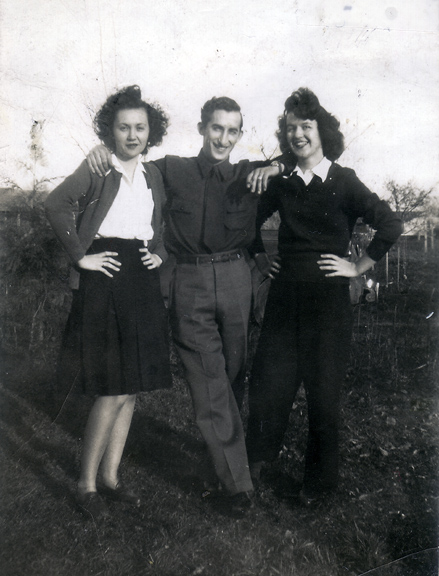
Ruth Glendinning was born in London. A collaborator's family carried its own history through West Texas during the Dust Bowl and Great Depression. Bene Esse co-founder Trudy Martinez arrived with another history again.
These are not shared biographies. What converges is a set of values: reciprocity, stewardship, usefulness, relationship, resourcefulness and the understanding that our well-being is entangled with the well-being of people around us.
Different people. Different histories. Same old idea.
It seeds where people already live. It roots in relationships. It grows through useful work. And, with care, it becomes something worth passing on.
Future Story Lab works with individuals, organizations and communities to recognize the assets already present, find the right economic container, and begin building from there.